| www.Travel-To-Crete.com - CRETE ISLAND GUIDE | |
 |
|
 |
 |
|
 |
 |
 |
 |
|
|
|
 CRETE
ISLAND
CRETE
ISLAND
 |
 |
-------------------------------------------------------------------- |
|
WORTH SEEING PALAIKASTRO POLYRHENIA LAKE KOURNAS KAZANTZAKIS MUSEUM ARCHAEOLOGICAL MUSEU TOMB IN MATHIOULAKI' VASILIKE BYZANTINE AND POST-B APTERA AGIOS PAVLOS HISTORICAL AND FOLK AMNISSOS THE SAMARIA GORGE KNOSSOS AGIOS MINAS CRETE HOTELS RESTAURANTS CAFE CAR RENTALS TRAVEL AGENCY ARTSHOPS DIVING REAL ESTATE WINE SHOP NIGHTLIFE LOCAL PRODUCTS CAMPING PHOTOGRAPHY VILLAS GYM FITNESS DAILY CRUISES BOOKSTORES GREEK LANGUAGE  INFORMATION VILLAGES BEACHES WORTH SEEING PHOTO GALLERY VIDEO GALLERY 360 PANORAMAS TOP 10 E-CARDS TOPICS MAILING LIST NEWS SEARCH ABOUT US LINKS TERMS 
|
|


 ABOUT
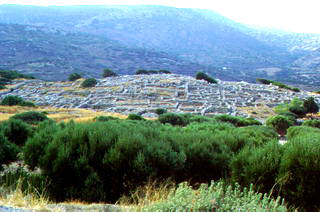
GOURNIA
ABOUT
GOURNIA